Course Breakdown
The Wilderness First Responder is the requisite level of training for outdoor guides, leaders and individuals who work or recreate in remote environments. These individuals may have a legal obligation to respond to emergency situations where life or limb threats may be immediate or evolving. This advanced 72-hour program integrates urban first aid training with the realities of a wilderness setting to develop comprehensive patient assessment skills and effective field management strategies.
This Course Is For
This course is for outdoor leaders, guides, and educators. It is for adventurers who want to feel prepared and confident when 911 is hours or days away.
What You Will Gain
Leadership and decision-making are what this course is all about. WFRs will be able to make good decisions in the field because they can anticipate how the patient's condition will progress and the long-term challenges facing the patient and the rescuers if evacuation is necessary.
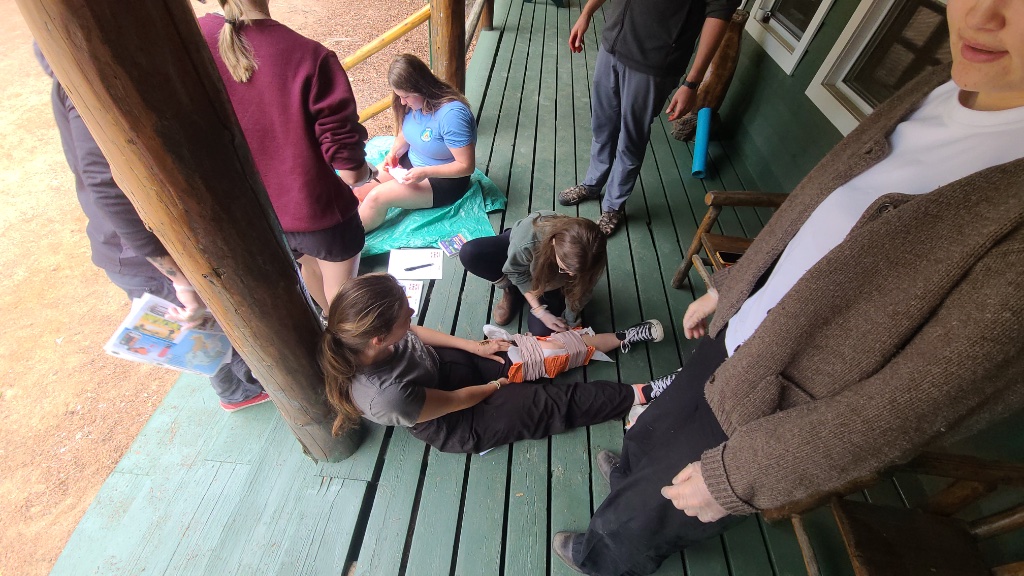
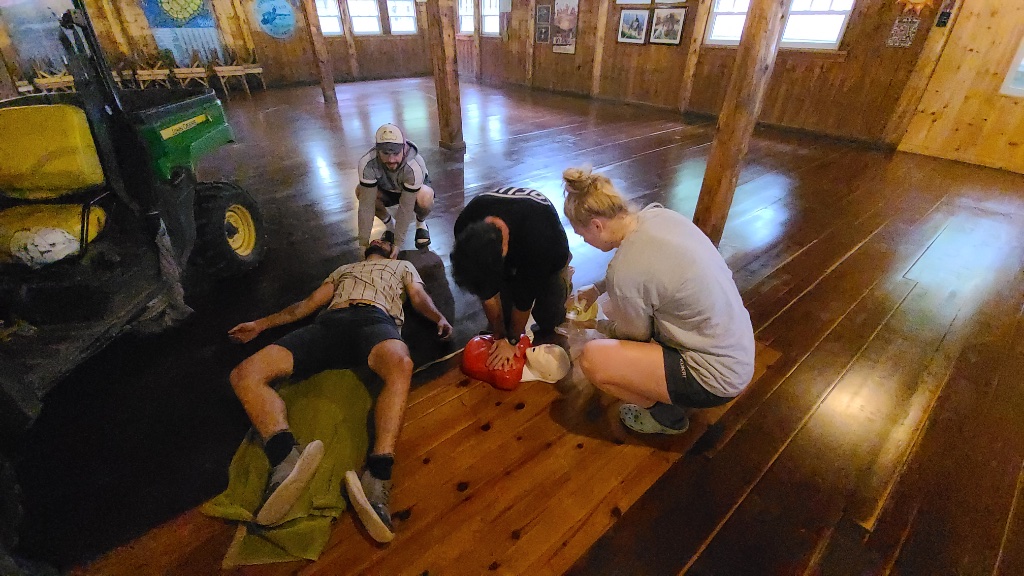
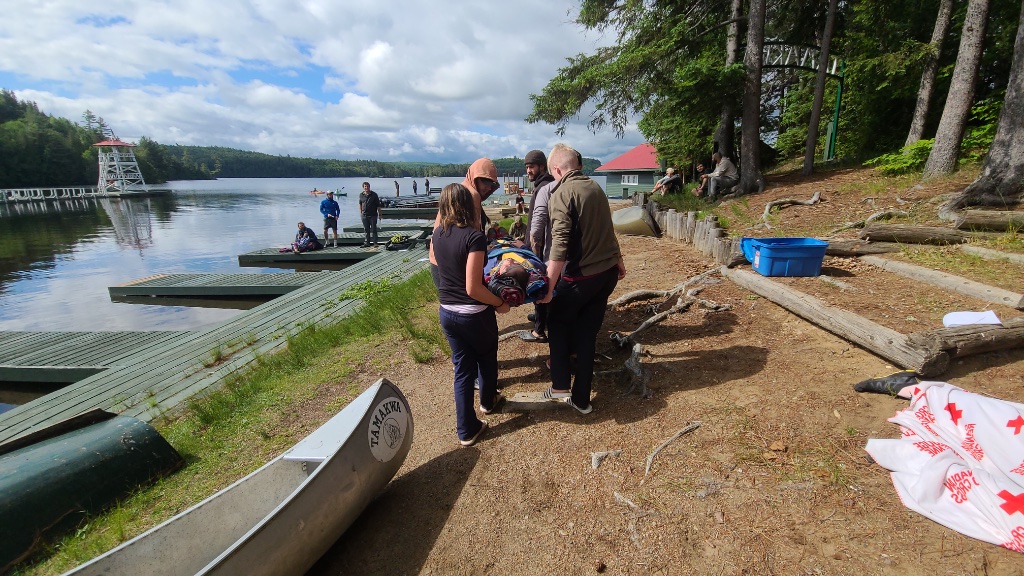
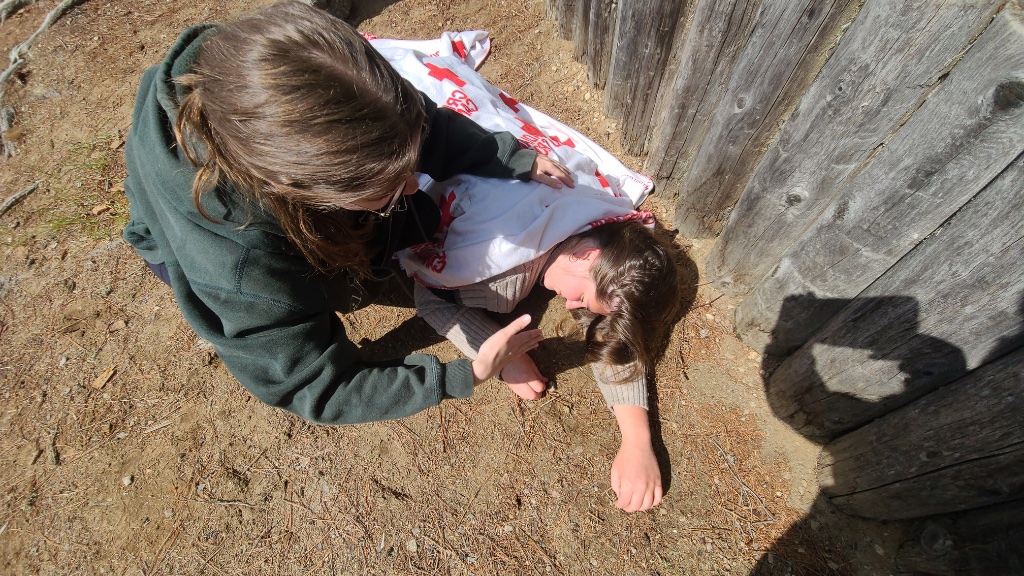
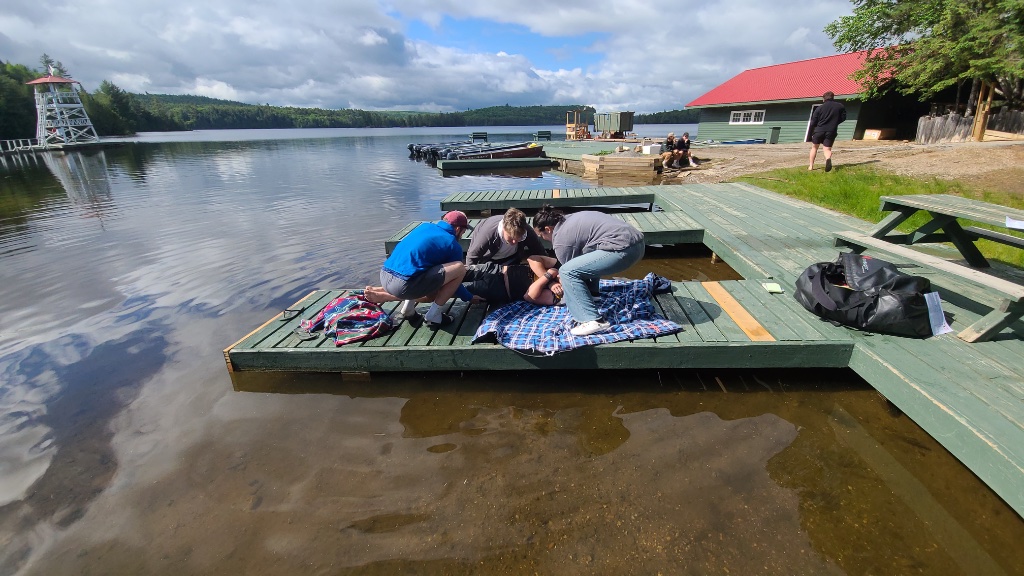
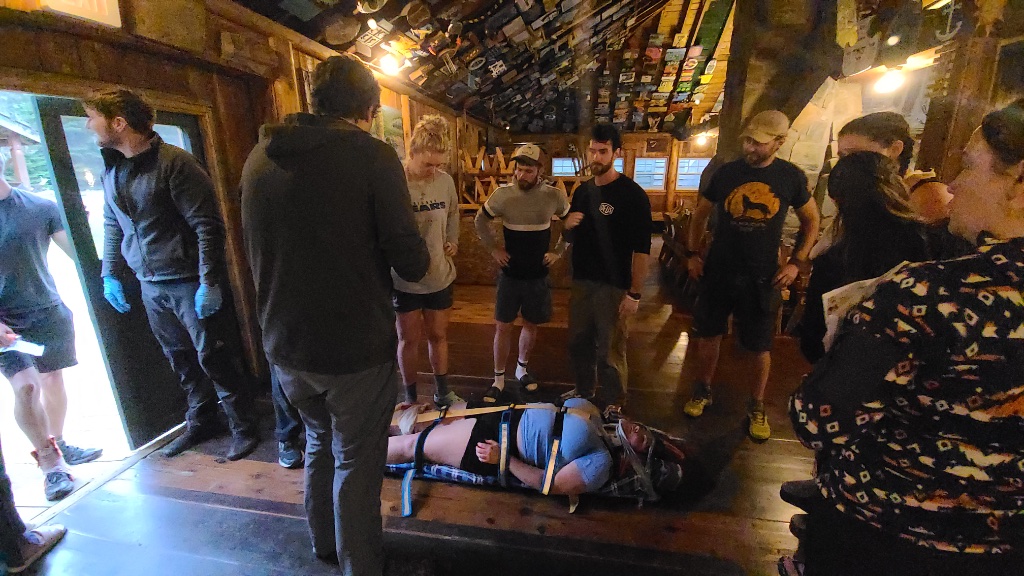
Training in Action
Real-World Learning Experience
Topics Covered
Day 1
- Course Objectives & Practical Scenario
- First Aid and Wilderness Emergency Care
- Leadership & Liability
- Wilderness First Responder Scope of Practice
- Anatomy & Physiology — CNS, Circulatory System
- Patient Assessment System — Scene Survey, Primary & Secondary Survey
- Vital Signs / Recording / Interpretation
- Basic Life Support — Airway & CPR in the Wilderness
Day 2
- Traumatic Injuries — Head / Chest / Abdomen / Spine
- Shock: Recognition & Management
- Patient Positioning & Carries
- Spinal Cord Injury Management
- Managing the Spine-Injured Patient Over a Long Evacuation
Day 3
- Assessment of Limb-Threatening Injuries
- Sprains / Strains / Fractures / Dislocations
- Traction Splinting
- Immobilization & Splinting Techniques
- Reducing Dislocations (TIP)
Day 4
- Heat Illnesses / Hyperthermia
- Cold Injuries / Hypothermia
- Drowning / Near Drowning
- Animal / Reptile Issues & Lightning
- Allergies, Anaphylaxis & Epinephrine
- AMS / HACE / HAPE
- Acute Abdominal Pain & Medical Emergencies
Days 5–6
- Wound Management — Short & Long Term, Burns, Blisters
- Water Disinfection
- Medical Problems — Diabetes, Seizures, Medications
- Common Expedition Problems — UTI, Diarrhea, URTI
- OTC Medications & Case Studies
Days 7–8
- Leadership and Incident Command
- Large-Scale Scenario
- Practical Assessment
- Written Examination
- Course Wrap-Up & Keeping Your Skills Up To Date
Recertification
After the initial program, individuals may maintain certification with a practical weekend recertification clinic, available within 2 years of the last training date. If more than 2 years has lapsed, a 4-day upgrade course is required to maintain WFR certification.
Who We Are
Canadian Wilderness Medical Training (CWMT) is an organization of professionals in pre-hospital care, outdoor leadership and education — dedicated to providing the best possible training and support for their clients.

Wilderness Medical Society
Member & Practice Standards
Canadian Red Cross
Authorized Provider
EC&S Institute
Certified Education Centre
Government & Universities
Trusted Training Partner